


DAPATKAN SEBUT HARGA
Khemah Luar Borong
Carian
Pengilang Khemah Perkhemahan
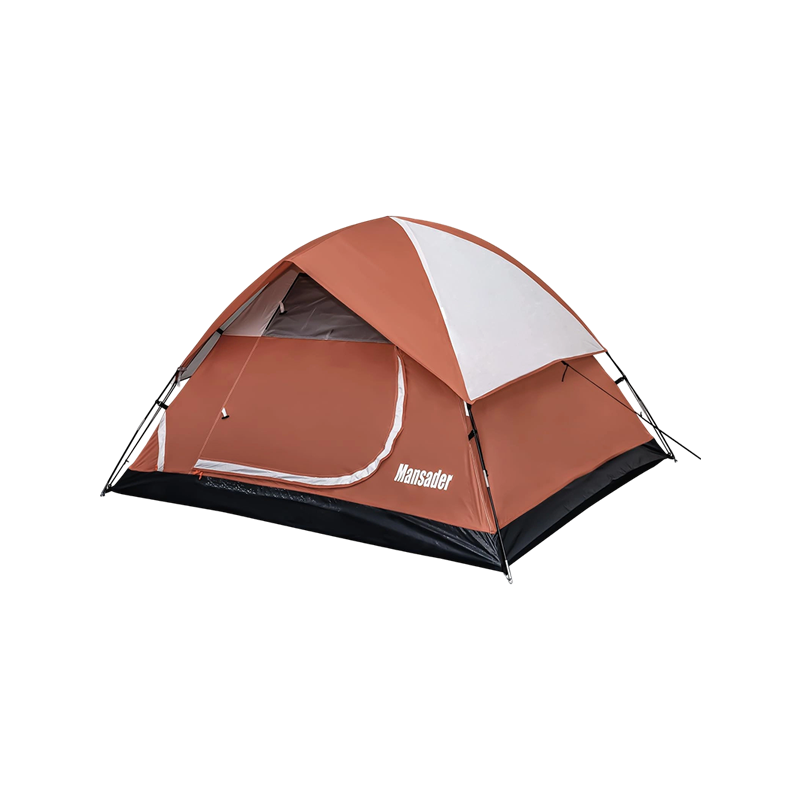
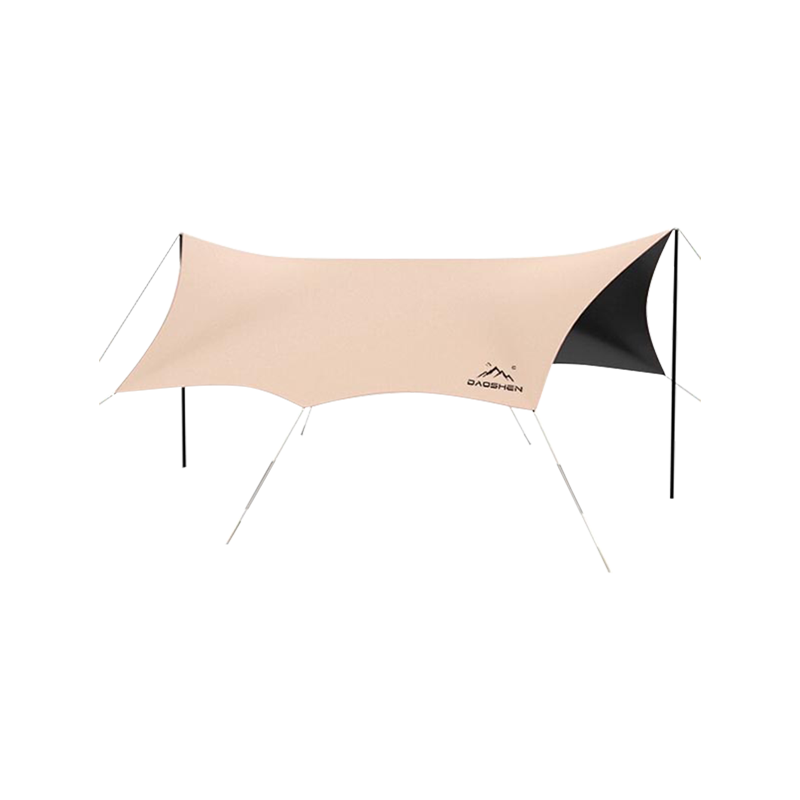
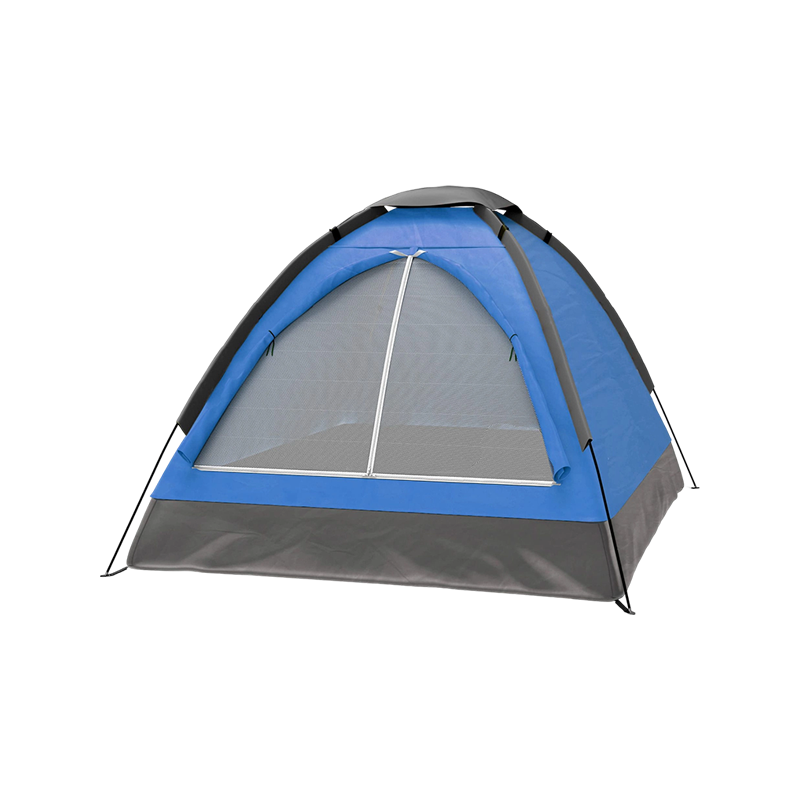
Tempat perlindungan teras untuk penginapan luar terdiri daripada khemah rekreasi yang disediakan pantas kepada khemah dua lapis kalis angin dan kalis hujan profesional, menampilkan salutan kalis air dan bingkai kukuh, sesuai untuk pelbagai persekitaran seperti pantai, hutan dan padang rumput, menyediakan ruang yang selamat, selesa dan persendirian kepada berkemah.
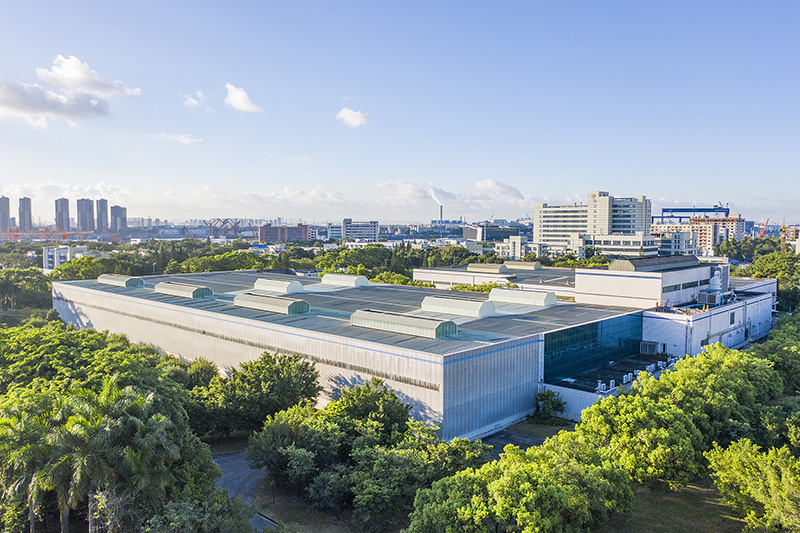
Mengenai CragHaven
CragHaven Outdoor — jenama pengiklanan luar dan rakan kongsi pengeluaran antarabangsa yang berpangkalan di Hangzhou, China.
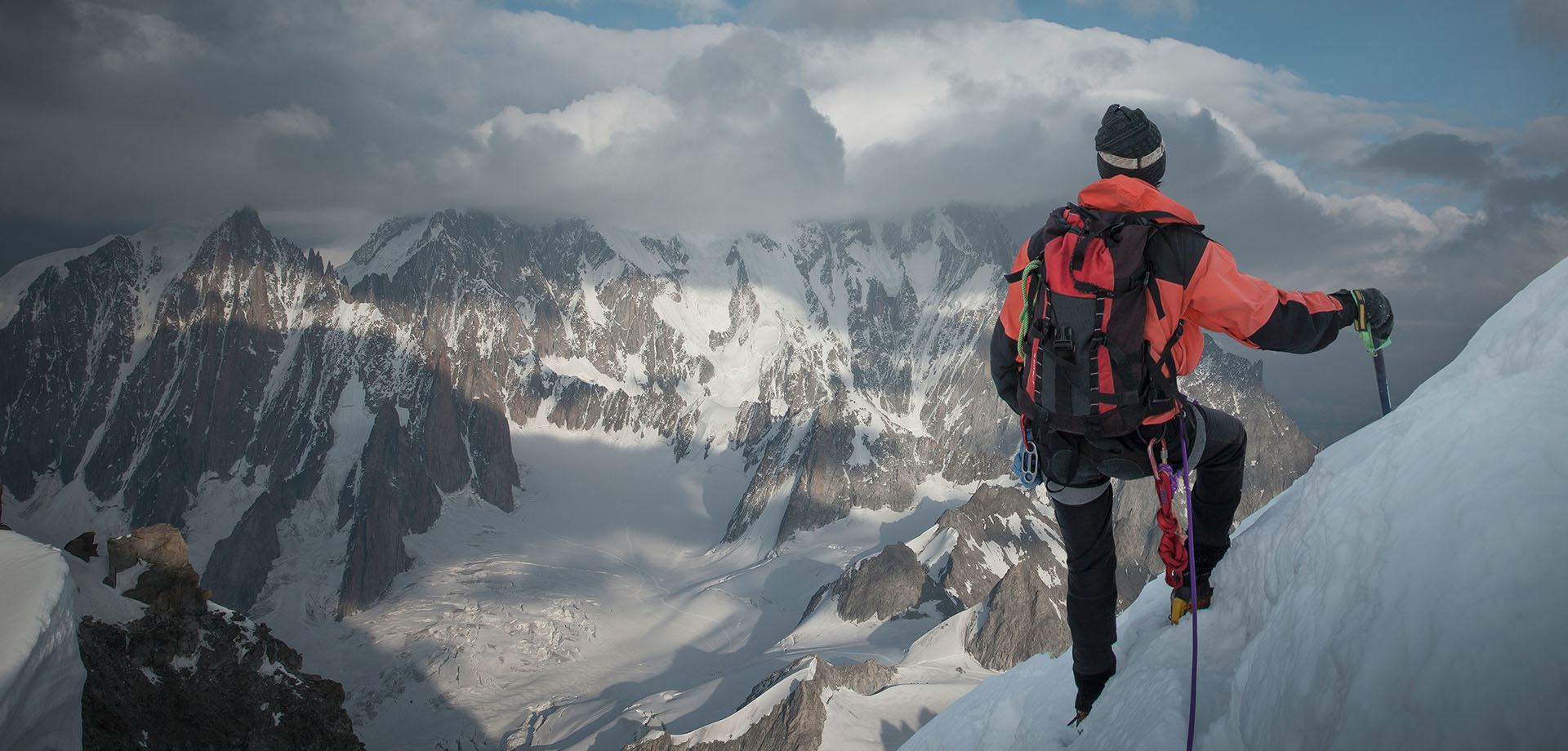
Sebagai China Pembekal Khemah Luar dan Pengilang Khemah Perkhemahan, kami memberi tumpuan kepada senario mendaki gunung, mendaki, dan perkhemahan, menyampaikan peralatan luar yang berfungsi, boleh dipercayai, dan bernilai jangka panjang untuk pasaran global.
Nama 'CragHaven' mencerminkan keseimbangan dan kestabilan dalam alam semula jadi. Falsafah ini menentukan pendekatan kami terhadap reka bentuk produk, pemilihan bahan, dan keputusan pengeluaran.
Produk Berkaitan
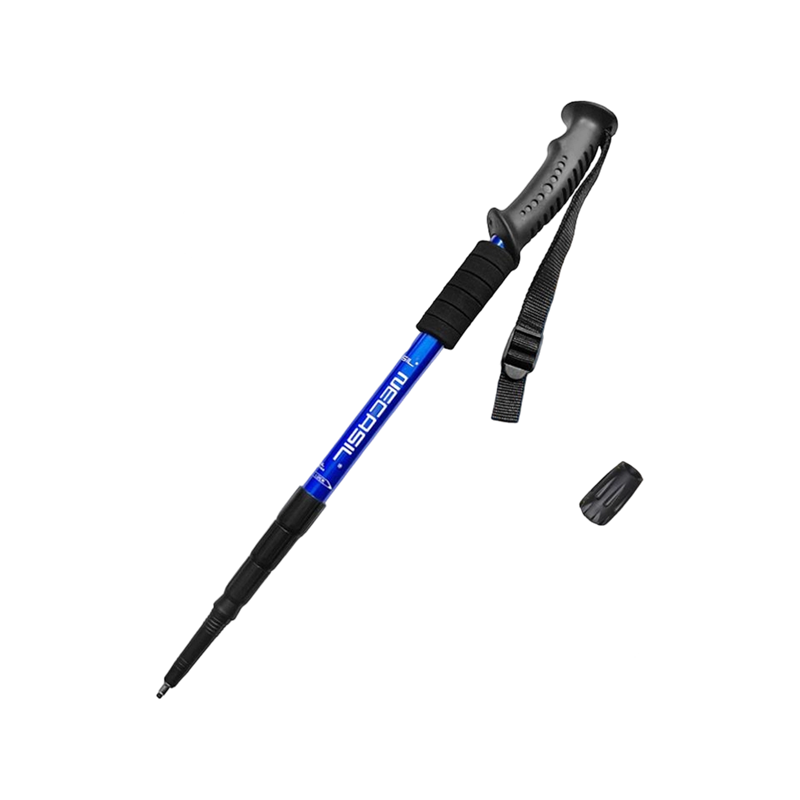
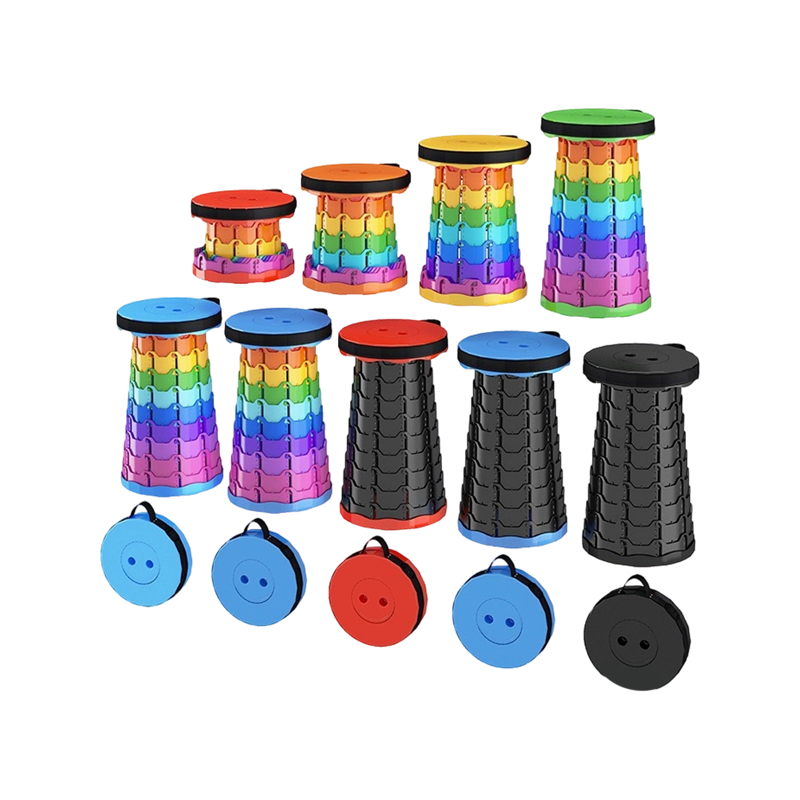
Berita
-
Untuk pasukan perolehan membina senarai khemah untuk musim luar 2026, pihak Cepat-Pitch lwn Khemah Tradisional keputusan ialah konfrontasi langsung antara dua hasil yang boleh diukur: kelajuan persediaan dan kemandirian ribut. Khemah pancang cepat melabuhkan diri dalam kira-kira 3 minit, manaka...
BACA LAGI -
Laluan 5 hari melalui lembah Chamonix memerlukan 7.5kg makanan, 2kg air, khemah 1.5kg, beg tidur 1kg dan 2kg pakaian. Iaitu 14kg sebelum pek itu sendiri. Pada beban sedemikian, pilihan antara beg galas bingkai tanpa bingkai dan dalaman bukanlah pilihan gear. Ia adalah perbezaan antara penamat dengan bahu sega...
BACA LAGI -
Berita Industri 3 Ogos 2026 Oleh Pasukan Kejuruteraan Pilewind 10 minit membaca Memilih khemah perkhemahan yang betul boleh menjadi sangat menggembirakan. Dengan bentuk, saiz, bahan dan spesifikasi teknikal yang tidak terkira banyaknya di pasaran, mudah untuk tersesat dalam pi...
BACA LAGI
Mesej Maklum Balas
khemah Pengetahuan Industri
What Are the Key Features to Look for in a High-Quality Camping Tent?
Choosing the right camping tent is essential for creating a safe, comfortable, and reliable shelter during outdoor activities. Whether used for hiking, mountaineering, backpacking, or recreational camping, a high-quality tent should provide protection from changing weather conditions, efficient space utilization, and long-term durability. A professional outdoor tent is not simply a temporary shelter but an important piece of outdoor equipment designed to support users in different terrains and environments.
The quality of a camping tent depends on multiple factors, including material performance, structural stability, weather resistance, ventilation design, portability, and practical functionality. Understanding these key features helps users select a tent that matches their outdoor needs and delivers consistent performance over time.
Durable Materials for Long-Term Outdoor Performance
Material selection is one of the most important aspects of a high-quality camping tent. Outdoor environments often involve rain, wind, sunlight, temperature changes, and rough terrain, requiring tent materials to maintain strength and reliability.
The tent fabric should offer a balance between lightweight performance and durability. High-quality fabrics can improve waterproof capability, reduce wear caused by frequent use, and extend the service life of the tent. In addition, the tent poles, zippers, seams, and connection components should also be designed for repeated assembly and outdoor exposure.
| Component | Common Material Features | Main Function |
|---|---|---|
| Tent Fabric | Lightweight, tear-resistant, weather-resistant materials | Provides shelter and protection |
| Waterproof Coating | Improves moisture resistance | Prevents rain penetration |
| Tent Poles | Strong and flexible structural materials | Supports stability and shape retention |
| Seam Construction | Reinforced stitching and sealing | Reduces water leakage risks |
CragHaven Outdoor focuses on mountaineering, hiking, and camping scenarios, selecting materials based on actual outdoor requirements rather than short-term market trends. Its product development philosophy emphasizes material integrity, ensuring that each component contributes to reliable outdoor performance.
Strong Weather Resistance and Protection
A professional camping tent must provide effective protection against different weather conditions. Waterproof performance is a fundamental feature, especially for outdoor camping in areas with unpredictable rainfall. A well-designed rainfly, sealed seams, and protective flooring structure help reduce moisture problems and improve interior comfort.
Wind resistance is another important factor. A stable frame structure, secure pole connection system, and reliable anchoring design help the tent maintain its shape during windy conditions. For mountain camping and extended outdoor activities, structural stability becomes even more important because environmental conditions can change quickly.
A high-performance outdoor tent should balance protection and usability, allowing users to stay comfortable without adding unnecessary weight or complexity.
Practical Space Design and User Comfort
The internal layout of a tent directly affects the camping experience. A good tent design should provide enough sleeping space while considering storage, movement, and equipment organization.
Different camping scenarios require different space solutions. Backpackers may prefer compact and lightweight designs, while family campers may need larger interior areas and additional storage space. Ventilation openings, entrances, and interior organization systems also influence overall comfort.
| Tent Type | Suitable Application | Key Design Features |
|---|---|---|
| Backpacking Tent | Hiking and long-distance travel | Lightweight structure and easy carrying |
| Family Camping Tent | Group camping and leisure activities | Larger interior space and improved comfort |
| Mountaineering Tent | Harsh outdoor environments | Strong stability and weather protection |
CragHaven Outdoor develops outdoor gear according to real usage scenarios. Its purpose-driven design approach ensures that every feature is created to solve practical outdoor challenges rather than simply increase product appearance.
Efficient Ventilation and Moisture Management
Ventilation is a critical feature that is often overlooked when selecting a camping tent. Poor airflow can lead to condensation inside the tent, affecting sleeping comfort and equipment protection.
High-quality tents usually incorporate ventilation windows, mesh panels, and airflow channels to improve air circulation. These designs help balance weather protection with interior comfort, especially during overnight camping.
Effective moisture management is also important for maintaining a dry environment. A well-designed tent should reduce condensation buildup while preventing external moisture from entering.
Easy Setup and Portability
A reliable camping tent should be convenient to assemble, transport, and store. Outdoor users often need to set up tents in different locations and weather conditions, making simple installation an important advantage.
A practical tent design should include clear structural components, efficient connection systems, and manageable packing dimensions. Lightweight construction is especially valuable for hiking and backpacking because reducing carrying pressure improves mobility.
However, portability should not compromise durability. Professional tent engineering requires balancing weight, strength, and functionality to achieve dependable performance in outdoor environments.
Engineering Quality and Manufacturing Reliability
Beyond design concepts, manufacturing quality determines the actual performance of a tent. Precise production processes, repeated testing, and continuous optimization help ensure consistency between design expectations and real-world use.
CragHaven Outdoor follows an engineering discipline approach, where sampling, testing, and improvement are essential steps in product development. This method supports the creation of outdoor equipment that can provide stable performance throughout different usage scenarios.
A high-quality camping tent should reflect careful consideration of weather conditions, terrain characteristics, user requirements, and long-term reliability.
How to Choose the Right Camping Tent for Your Needs?
When selecting a camping tent, users should first identify their main application scenarios. A lightweight hiking tent may prioritize portability, while a family camping tent may focus more on space and comfort. For challenging outdoor environments, structural strength and weather resistance should receive greater attention.
Important factors to evaluate include:
- Usage environment: Consider climate, terrain, and expected weather conditions.
- Material quality: Check fabric durability, waterproof performance, and structural components.
- Size requirements: Select suitable capacity according to the number of users and equipment storage needs.
- Setup convenience: Choose designs that are easy to assemble and carry.
- Long-term reliability: Prioritize products designed with proper engineering and testing processes.
Selecting a suitable outdoor tent is not only about appearance or size but also about performance, safety, and adaptability in real outdoor conditions.
FAQ
1. What makes a camping tent high quality?
A high-quality camping tent combines durable materials, strong weather resistance, stable construction, effective ventilation, and convenient usability. These features work together to provide reliable outdoor protection.
2. What materials are important for a durable outdoor tent?
Important materials include tear-resistant tent fabrics, waterproof coatings, strong support poles, and reinforced connection components. The combination of these materials affects durability and outdoor performance.
3. How can I choose the right tent size?
The right tent size depends on the number of users, camping style, and equipment storage requirements. Backpacking users often prefer compact designs, while leisure campers may need larger interior space.
4. Why is ventilation important in a camping tent?
Proper ventilation helps reduce condensation, improve airflow, and maintain a more comfortable interior environment during overnight camping.
5. What should I consider when buying a camping tent for outdoor activities?
Users should consider the expected environment, weather conditions, material quality, portability, setup process, and overall reliability to select a tent suitable for long-term outdoor use.

Bersedia untuk mencipta produk luar yang boleh dipercayai?
Mulakan Pertanyaan OEM / Borong
Pautan
Pejabat
- Telefon: +86-15968800379
- E-mel: [email protected]
- Alamat: Bilik 1002, Bangunan Huishang, Daerah Gongshu, Bandar Hangzhou, Wilayah Zhejiang.
Hubungi Kami
Hak Cipta© CragHaven Outdoor Hak Cipta Terpelihara. Pembekal Khemah Luar Pengilang OEM Khemah Perkhemahan
